Copyright © 2025
George R. Morgan
Every Westie carries a little bit of Scotland in their story. The West Highland White Terrier, better known to most of us as
the Westie, is famous for that bright white coat, alert little ears, and lively personality that seems bigger than the dog itself.
But the Westie’s story is more than a cute face and a wagging tail. It reaches back to the rugged hills and rocky places of
Scotland, where small terriers had to be brave, tough, and ready to work.
Long before Westies became beloved family companions, their ancestors were working terriers in the
West Highlands. These little dogs were bred to help control foxes, otters, badgers, rats, and other small
animals that could threaten farms, livestock, and estates. They needed to be sturdy enough to scramble
over rocks, determined enough to keep going, and clever enough to work in difficult places. Many
Scottish terriers shared those early roots, including breeds related to the Cairn, Scottish, and Skye
Terriers. What eventually made the Westie stand apart was the white coat that became its trademark.
One of the best-known stories about the Westie’s white coat is connected to Colonel Edward Donald
Malcolm of Poltalloch in Scotland. According to the legend, Colonel Malcolm once lost a reddish terrier
during a hunt when the dog was mistaken for a fox. After that, he is said to have favored white terriers
because they were easier to see in the field. Whether every detail of the story is exact or not, the Malcolm
family and other Scottish breeders played an important role in preserving and promoting these white
working terriers.
For a time, these dogs were known by names such as Poltalloch Terriers and Roseneath Terriers,
depending on the families and estates associated with them. The Duke of Argyll also had white terriers
at Roseneath, adding another branch to the Westie’s early story. Over time, these lines came together
around the dog we now know as the West Highland White Terrier—a small white terrier with courage,
spirit, and a very strong sense of self.
As interest in the breed grew, Westies began moving from working life into the show ring and, eventually, into homes far from Scotland. The
West Highland White Terrier Club in the United Kingdom was founded in the early 1900s, and the breed name became established around
that same period. In 1907, the breed was officially listed as the West Highland White Terrier in England, helping set the stage for wider
recognition and popularity.
Westies soon found admirers beyond Britain as well. The West Highland White Terrier Club of America was founded in 1909, and the breed
became familiar to dog lovers in the United States and elsewhere. Their bold little faces, cheerful confidence, and photogenic white coats
helped them become favorites not only in homes, but also in advertising, television, and popular culture.
Today, most Westies are cherished as companions rather than working terriers, but that old terrier spirit is still easy to see. They are often
friendly, alert, outgoing, and full of opinions. A Westie may be small, but anyone who has lived with one knows they rarely think of
themselves that way. They still benefit from regular grooming, steady training, socialization, and plenty of activity to keep both body and
mind busy.
That mix of courage, charm, independence, and loyalty is part of what makes the Westie so special. Their history may have begun among the
rocks and hills of Scotland, but today their place is just as often beside us at home, brightening ordinary days in the way only a Westie can.
The Westie’s story is a long one, and for those of us who love the breed, it is still being written one happy household at a time.
History of the Westie
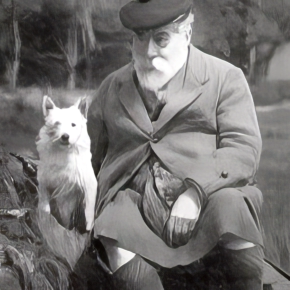




Every Westie carries a little bit of Scotland in their story. The West Highland White Terrier, better known to most of us as
the Westie, is famous for that bright white coat, alert little ears, and lively personality that seems bigger than the dog itself.
But the Westie’s story is more than a cute face and a wagging tail. It reaches back to the rugged hills and rocky places of
Scotland, where small terriers had to be brave, tough, and ready to work.
Long before Westies became beloved family companions, their ancestors were working terriers in the
West Highlands. These little dogs were bred to help control foxes, otters, badgers, rats, and other small
animals that could threaten farms, livestock, and estates. They needed to be sturdy enough to scramble
over rocks, determined enough to keep going, and clever enough to work in difficult places. Many
Scottish terriers shared those early roots, including breeds related to the Cairn, Scottish, and Skye
Terriers. What eventually made the Westie stand apart was the white coat that became its trademark.
One of the best-known stories about the Westie’s white coat is connected to Colonel Edward Donald
Malcolm of Poltalloch in Scotland. According to the legend, Colonel Malcolm once lost a reddish terrier
during a hunt when the dog was mistaken for a fox. After that, he is said to have favored white terriers
because they were easier to see in the field. Whether every detail of the story is exact or not, the Malcolm
family and other Scottish breeders played an important role in preserving and promoting these white
working terriers.
For a time, these dogs were known by names such as Poltalloch Terriers and Roseneath Terriers,
depending on the families and estates associated with them. The Duke of Argyll also had white terriers
at Roseneath, adding another branch to the Westie’s early story. Over time, these lines came together
around the dog we now know as the West Highland White Terrier—a small white terrier with courage,
spirit, and a very strong sense of self.
As interest in the breed grew, Westies began moving from working life into the show ring and, eventually, into homes far from Scotland. The
West Highland White Terrier Club in the United Kingdom was founded in the early 1900s, and the breed name became established around
that same period. In 1907, the breed was officially listed as the West Highland White Terrier in England, helping set the stage for wider
recognition and popularity.
Westies soon found admirers beyond Britain as well. The West Highland White Terrier Club of America was founded in 1909, and the breed
became familiar to dog lovers in the United States and elsewhere. Their bold little faces, cheerful confidence, and photogenic white coats
helped them become favorites not only in homes, but also in advertising, television, and popular culture.
Today, most Westies are cherished as companions rather than working terriers, but that old terrier spirit is still easy to see. They are often
friendly, alert, outgoing, and full of opinions. A Westie may be small, but anyone who has lived with one knows they rarely think of
themselves that way. They still benefit from regular grooming, steady training, socialization, and plenty of activity to keep both body and
mind busy.
That mix of courage, charm, independence, and loyalty is part of what makes the Westie so special. Their history may have begun among the
rocks and hills of Scotland, but today their place is just as often beside us at home, brightening ordinary days in the way only a Westie can.
The Westie’s story is a long one, and for those of us who love the breed, it is still being written one happy household at a time.
History of the Westie